.png)


Can you use design thinking to strengthen mental health conversations in low-resource settings?
Client
Americares India Foundation

Context
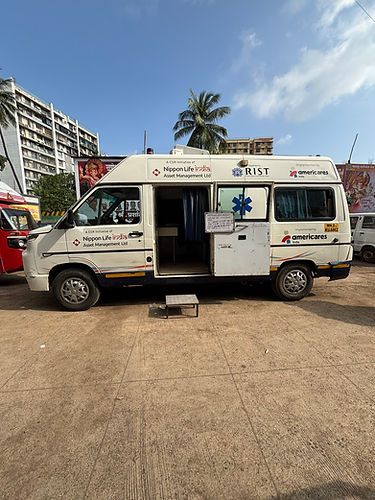
Strengthening mental health conversations and outcomes in the low-resource settings of Mumbai, working with counsellors and frontline teams who engage clients directly.

The Challenge
Reaching clients in low-literacy, high-stigma settings was difficult. Stigma made open dialogue hard, clients struggled to express emotions, and counsellors lacked visual, accessible tools to engage them effectively.
Solutions
-
Design thinking framework: User versus client differentiation, journey mapping, and audience profiling to ground interventions in lived realities.
-
Co-designed workshops: Collaborative sessions with counsellors, programme leads, and field staff to shape context-driven solutions.
-
IEC tools: Aids to articulate feelings, debunk myths, and normalise stress and coping for lasting behaviour change.


Solutions
-
Wheel of Emotions, a visual aid to help clients name and express what they feel.
-
Myths and misconceptions cards to debunk common beliefs around mental illness.
-
Stress-o-meter, a simple visual tool to gauge and talk about stress.
Results
Enabled counsellors and frontline teams with context-sensitive, co-created tools and a shared language to engage low-literacy communities, reduce stigma around mental health, and support clients in expressing emotions, navigating stress, and building lasting coping behaviours.